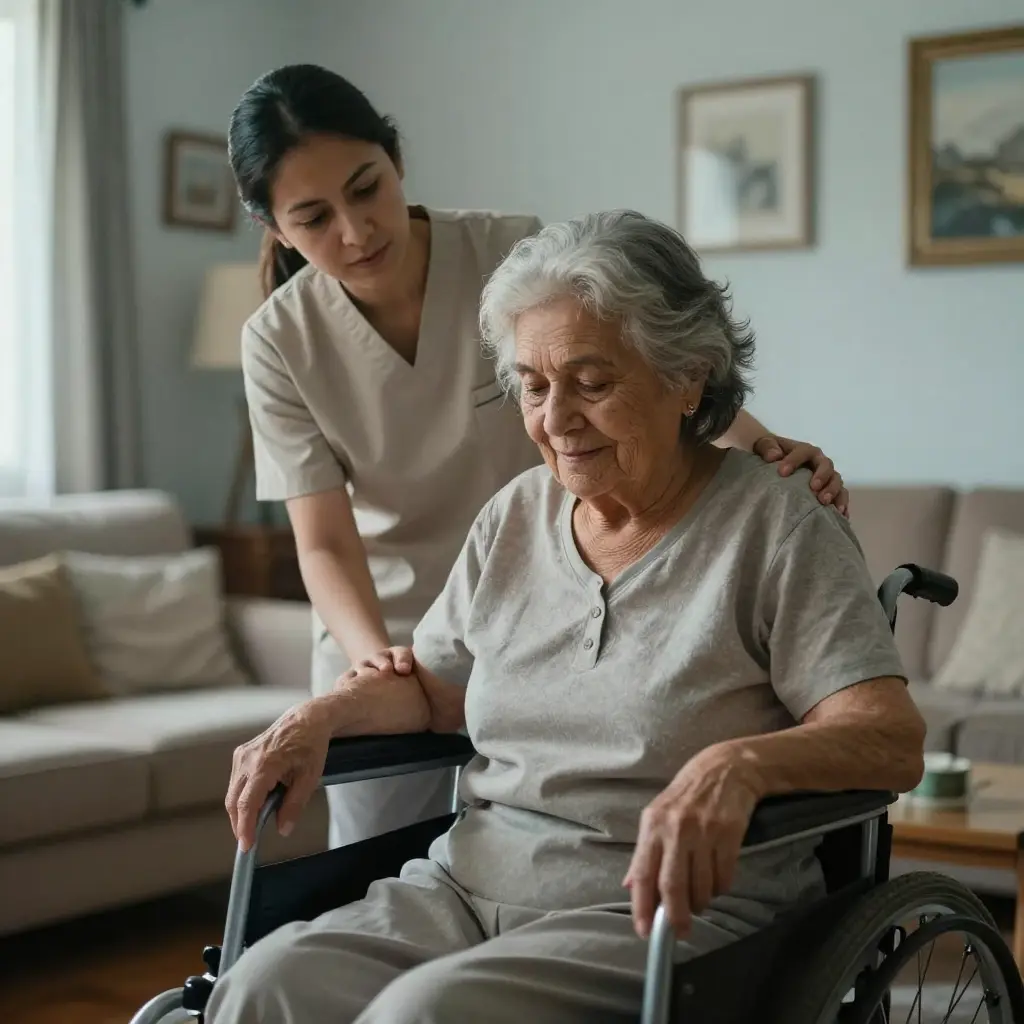
Home geriatric care: quality of life, health, and autonomy in the patient's environment
Home geriatric care has become a key element in ensuring the comprehensive well-being of older adults, especially those with chronic illnesses, frailty, or functional dependency. As the population ages, health and social systems seek more efficient, effective, and person-centered models of care. Home geriatric care allows providing specialized health services and care in the patient's home, reducing the need for hospitalization and strengthening the autonomy, safety, and quality of life of the elderly.
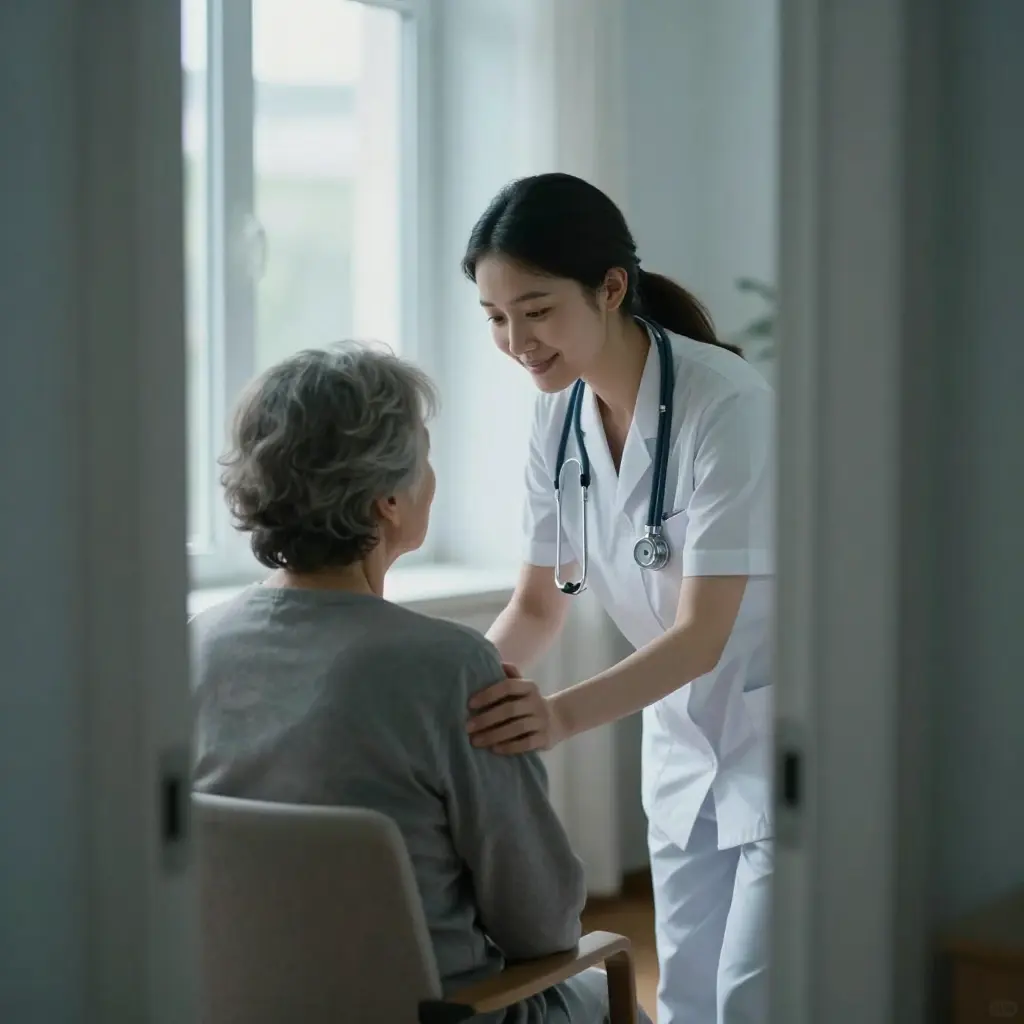
What is home geriatric care and when is it indicated?
Home geriatric care comprises a set of clinical interventions with a medical professional, nursing, and social support carried out in the older adult's home. Its main objective is to provide continuous comprehensive home care that includes continuous clinical supervision, management of chronic diseases, functional rehabilitation, support in basic activities of daily living, and, when necessary, palliative care.
This type of care is indicated in various scenarios:
- Patients with chronic or complex diseases requiring frequent and continuous follow-up.
- Frail or dependent people who have mobility difficulties or a risk of complications in institutional settings.
- Post-hospital discharge, to ensure a safe transition and reduce readmissions.
- Need for palliative care or prolonged support, whenever the clinical situation allows it.
Clinical and psychosocial benefits of home geriatric care
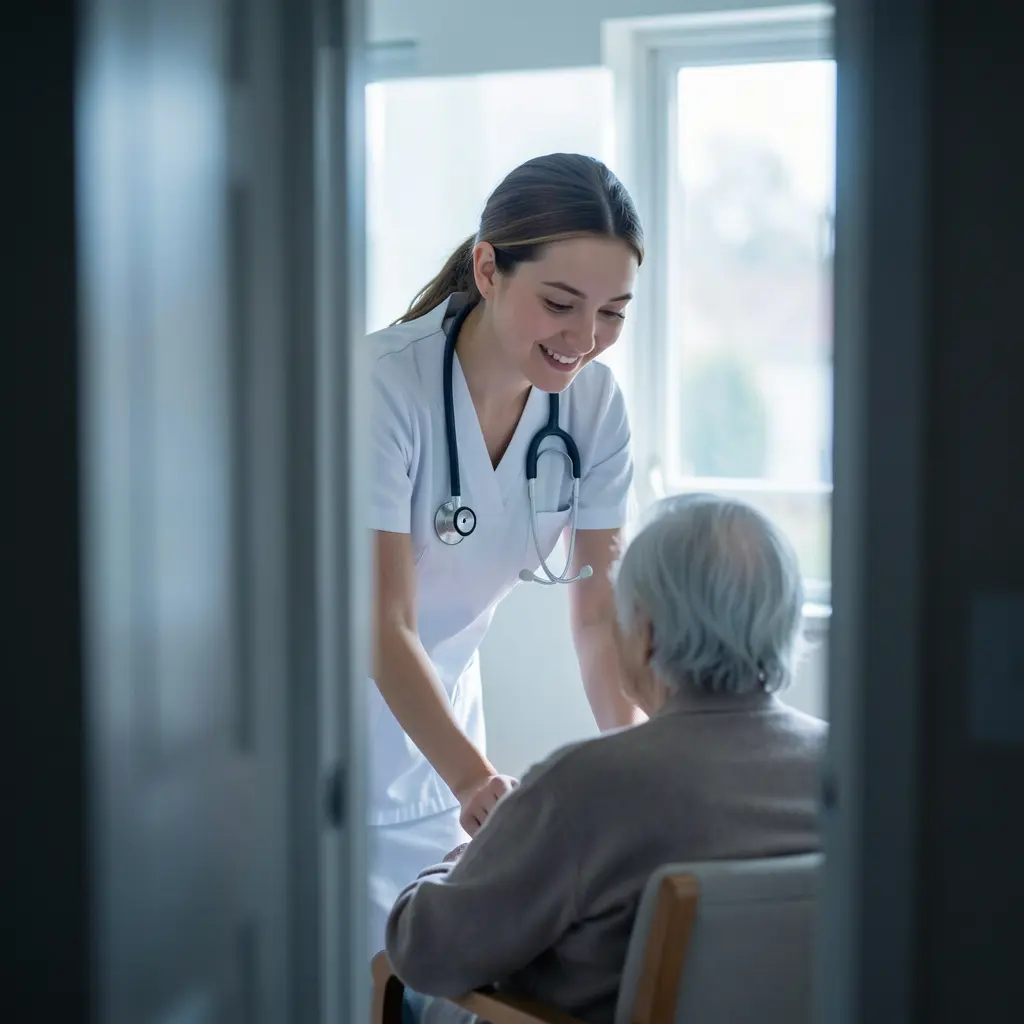
Reduction of complications and hospitalizations
Home geriatric care has proven effective in reducing the risk of nosocomial infections, such as pneumonia or urinary tract infections, which are often associated with prolonged hospital stays. This is especially relevant in older adults with more vulnerable immune systems. In addition, continued management at home contributes to reducing unnecessary readmissions and hospital stays, promoting a more efficient use of healthcare resources.
Improvement of quality of life and autonomy
Receiving care in one's own home favors the maintenance of daily routines and the family environment, which positively impacts the emotional well-being and psychological stability of patients. Comprehensive geriatric assessment programs at home have also shown improvements in functionality and satisfaction with the care received.
Support for families and caregivers
Home geriatric care benefits not only patients but also their families and caregivers. It provides education, guidance, and support to manage situations of dependency, chronic symptoms, or complex care at home. This can reduce the physical and emotional burden faced by informal caregivers, improving the sustainability of long-term care.
Future challenges and perspectives
Despite its clear benefits, home geriatric care faces important challenges: effective coordination between care levels, availability of specialized resources, and adaptation to different family and socioeconomic environments. Promoting collaborative models between primary care, social services, and specialized geriatric teams will be key to expanding its scope and equity.
Furthermore, digital technology and telemedicine tools have growing potential to enrich integrated home care, although it is necessary to guarantee their accessibility for all older adults.
Do you want to know more about our services? Visit our services page or contact us directly.
Bibliography
- Wolff-Baker, D., & Ordona, R. B. (2019). The Expanding Role of Nurse Practitioners in Home-Based Primary Care: Opportunities and Challenges. Journal of gerontological nursing, 45(6), 9–14. https://doi.org/10.3928/00989134-20190422-01
- Shepperd, S., Doll, H., Angus, R. M., Clarke, M. J., Iliffe, S., Kalra, L., Ricauda, N. A., Tibaldi, V., & Wilson, A. D. (2009). Avoiding hospital admission through provision of hospital care at home: a systematic review and meta-analysis of individual patient data. CMAJ : Canadian Medical Association journal = journal de l'Association medicale canadienne, 180(2), 175–182. https://doi.org/10.1503/cmaj.081491
- Closa, C. et al. (2017) ‘Hospital-at-home Integrated Care Program for Older Patients With Orthopedic Processes: An Efficient Alternative to Usual Hospital-Based Care’, Journal of the American Medical Directors Association, 18(9), pp. 780–784. Available at: https://doi.org/10.1016/j.jamda.2017.04.006