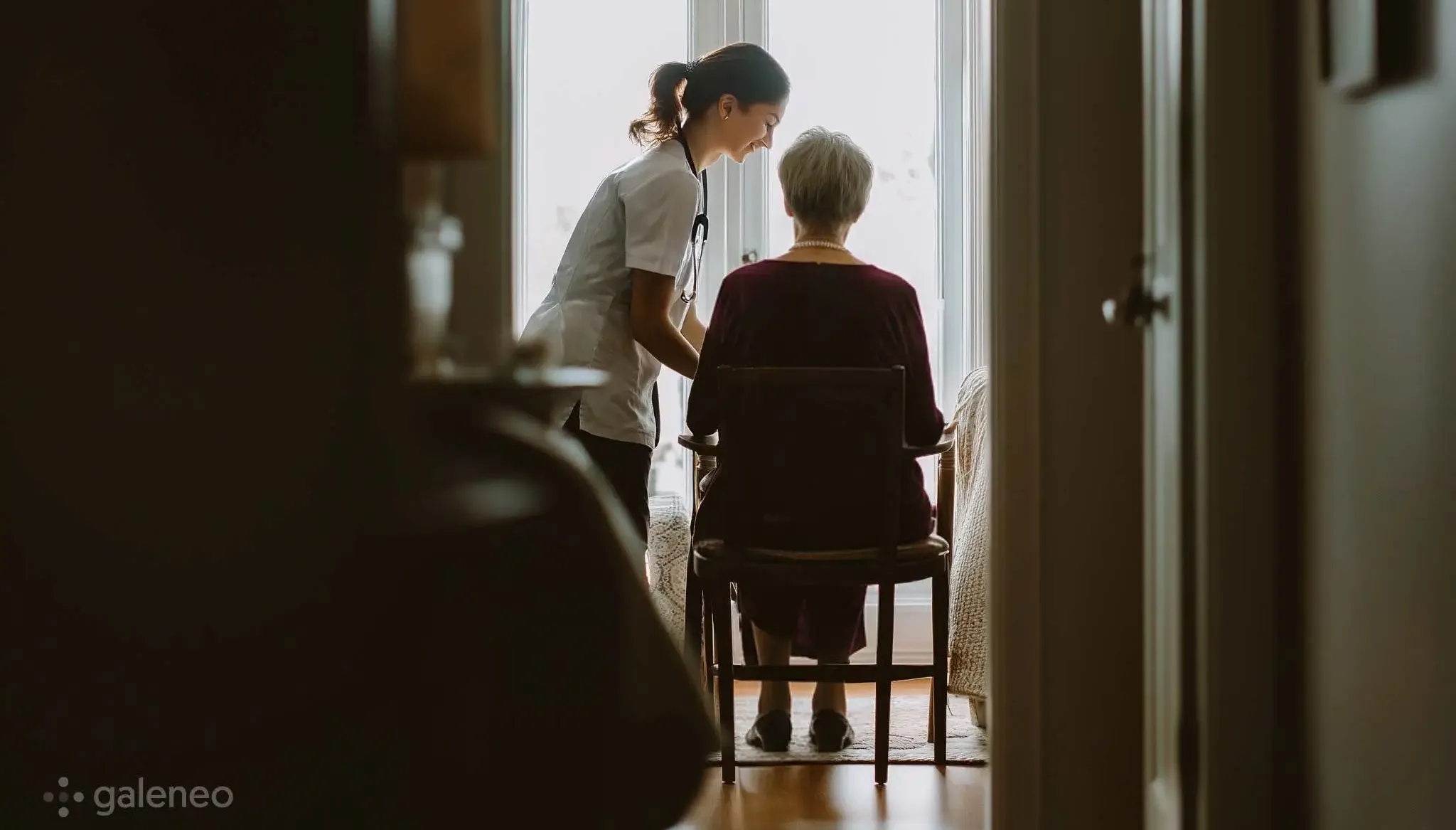
Falls in Older Adults: Prevention and Management at Home
Falls are one of the most common and concerning health issues in older adults. They can cause not only physical injuries, such as hip fractures or head trauma, but also significantly impact independence, confidence, and overall quality of life.
Specialized home care enables the implementation of prevention and management strategies tailored to the home environment, with professional supervision and a person-centered approach, reducing the risk of complications and improving safety.
Risk Factors for Falls in Older Adults
Falls in older adults are multifactorial and may result from intrinsic, extrinsic, or behavioral factors. The most common include:
- Loss of muscle strength and balance problems associated with aging
- Sensory impairments, such as reduced vision or hearing
- Chronic conditions, including neuropathies, arthritis, osteoporosis, and cardiovascular diseases
- Polypharmacy, especially medications affecting blood pressure, sedation, or balance
- Environmental risks at home, such as slippery floors, poor lighting, or poorly arranged furniture
Identifying these factors allows home care teams to develop personalized prevention plans.
Fall Prevention at Home
Prevention combines environmental modifications, strengthening exercises, and education for patients and caregivers. The most effective measures include:
- Adapting the home: removing obstacles, improving lighting, and installing handrails in bathrooms and stairways
- Promoting safe mobility: strength, balance, and flexibility exercises supervised by home physiotherapy
- Reviewing medication: adjusting drugs that may increase the risk of dizziness or disorientation
- Using assistive devices: canes, walkers, or non-slip footwear based on patient needs
When applied individually, these strategies have been shown to significantly reduce the incidence of falls in older adults.
What to Do After a Fall
When a fall occurs, an immediate response is essential. Medical evaluation determines the severity of injuries and the necessary treatment. At home, healthcare professionals can provide:
- Physical assessment and vital sign monitoring
- Prevention of secondary complications, such as pressure ulcers or loss of mobility
- Adjustment of prevention plans to avoid future falls
Continuous follow-up allows for therapy adjustments, medication review, and reinforcement of safety strategies, keeping the patient protected in their usual environment.
The Role of Family and Caregivers
Caregivers are key allies in fall prevention and management. Their role includes supervising mobility, assisting with support devices, communicating with healthcare professionals, and applying safe care practices. Educating the family environment increases patient confidence and reduces anxiety related to fall risk.
Galeneo’s Approach to Fall Prevention at Home
At Galeneo, we consider fall prevention a core component of home care. We combine clinical assessment, home adaptation, specialized physiotherapy, and caregiver education to minimize risks and improve the quality of life of older adults.
Our multidisciplinary approach ensures continuous follow-up, promoting patient independence and providing safety for both the patient and their family.
Would you like to learn more about our services? Visit our services page or contact us directly.