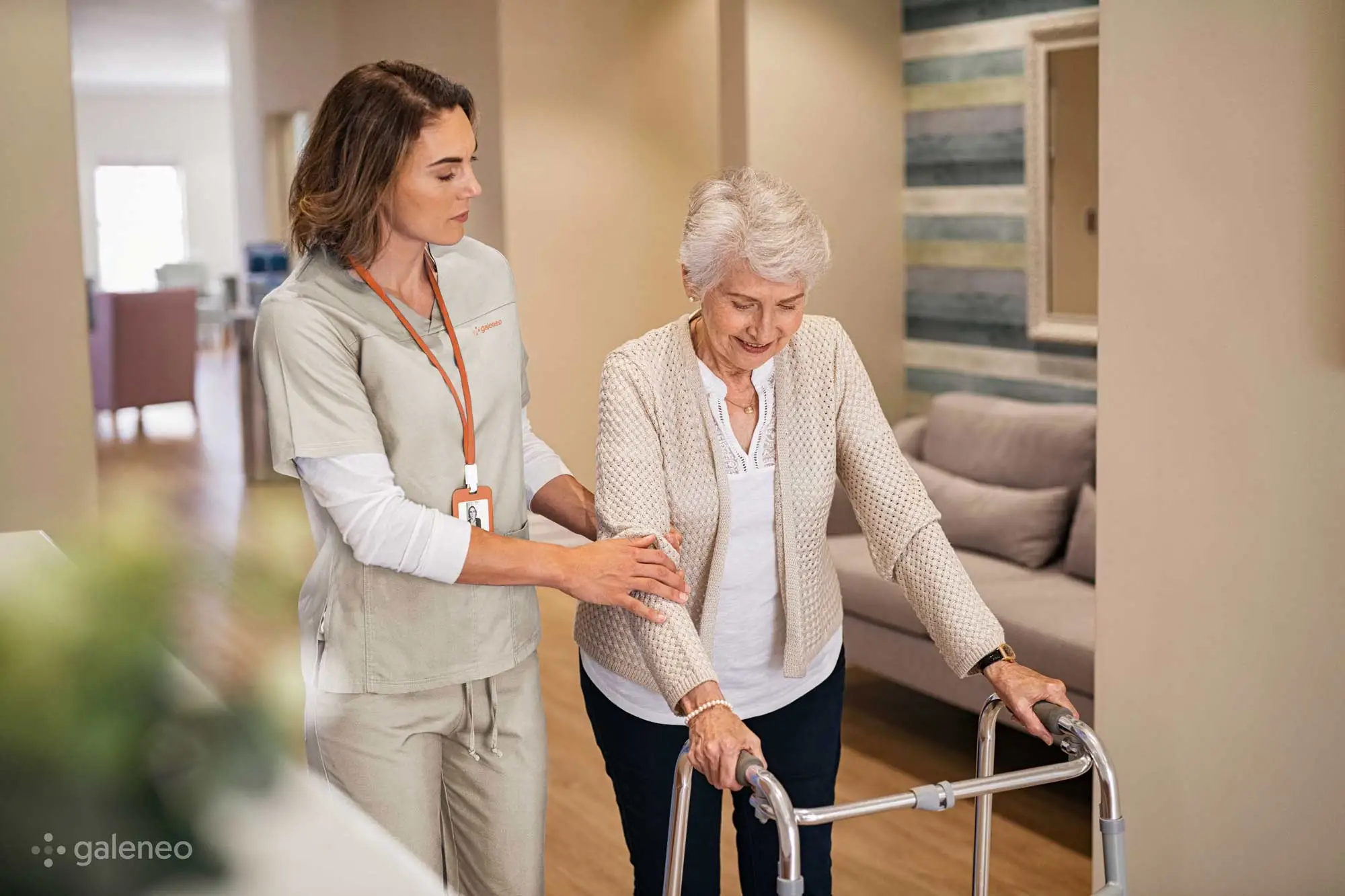
Home rehabilitation: restoring the patient's autonomy from home
Home rehabilitation is a healthcare model that moves physiotherapy and rehabilitation care to the patient's home, allowing them to continue or begin the functional recovery process outside the hospital or outpatient center.
This approach is indicated both after acute processes—such as surgeries, fractures, or hospital admissions—as well as in chronic diseases or situations of mobility loss. Healthcare professionals travel to the home with the knowledge, techniques, and necessary tools to apply a rehabilitation plan adapted to the clinical situation and the actual environment of the patient.
More than just changing the setting where therapy takes place, home rehabilitation integrates treatment into daily life, turning the home into an active recovery space.
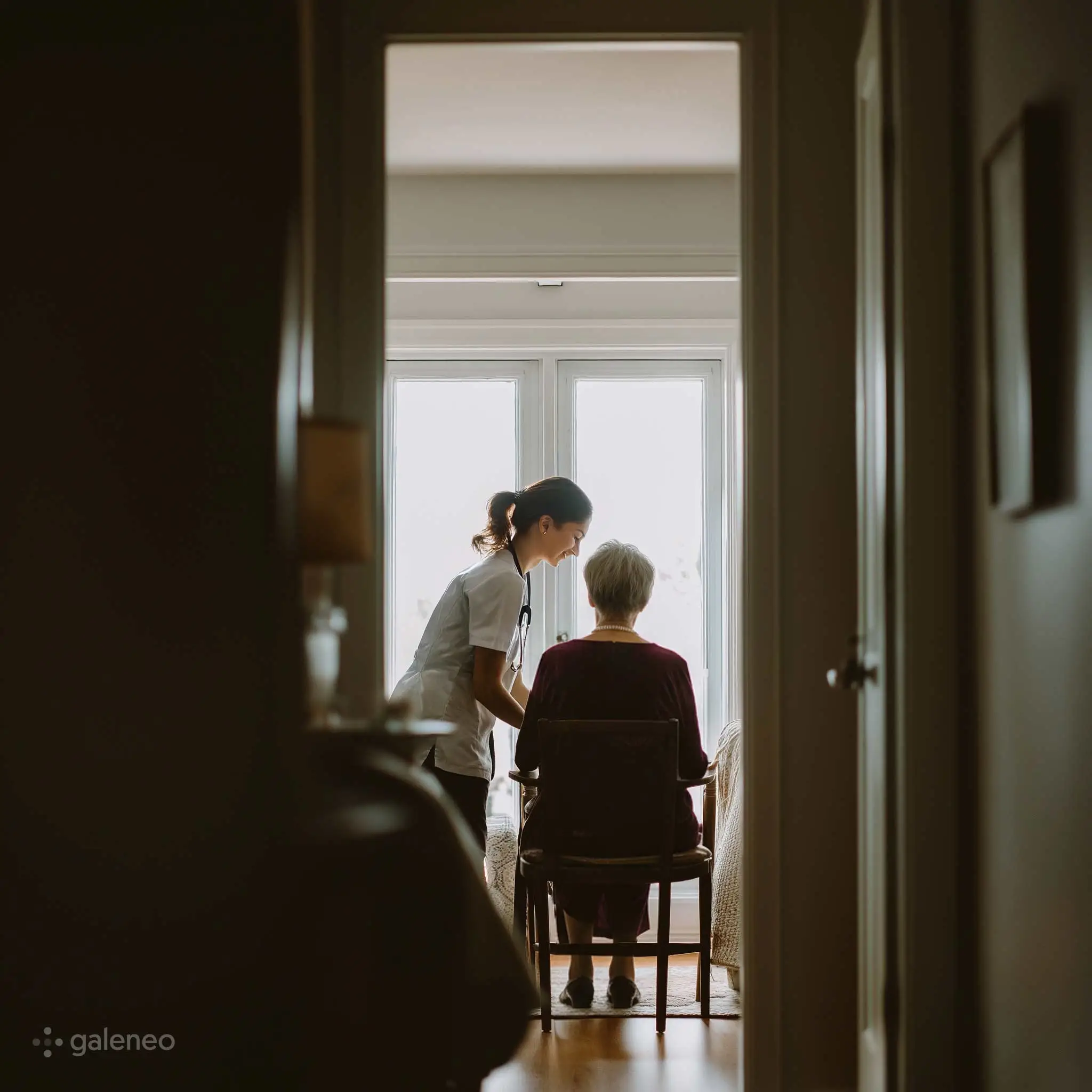
Rehabilitation focused on real functionality
The main goal of rehabilitation is to improve the functionality and autonomy of the patient. Working at home allows exercises and interventions to be directly related to daily activities: getting out of bed, walking around the house, climbing stairs, or managing in the bathroom.
This practical orientation favors a more meaningful recovery, as the progress is applied immediately in the environment where the patient lives their life.
Furthermore, staying at home reduces the fatigue associated with travel and makes it easier for people with reduced mobility, pain, or frailty to access therapy continuously.
Clinical benefits of rehabilitation at home
Home rehabilitation contributes to:
- Preventing functional decline after hospital admissions
- Reducing the risk of falls through balance and gait training
- Improving strength, endurance, and joint mobility
- Facilitating recovery after orthopedic, neurological, or abdominal surgery
In elderly or frail patients, starting rehabilitation early at home can be key to preventing loss of independence and long-term dependency.
A safer and more personalized environment
At home, the professional can directly assess the physical barriers and risks of the environment: furniture layout, lighting, stairs, or unstable surfaces. This allows to:
- Adjust the exercises to the actual conditions of the home
- Recommend adaptations to improve safety
- Teach the correct use of technical aids (walkers, canes, chairs, etc.)
The rehabilitation plan is not limited to a therapy bed or an exercise room but is designed around the patient's real life.
The role of the family in home rehabilitation
Family and caregivers actively participate in the rehabilitation process. Under the supervision of professionals, they can learn guidelines, simple exercises, and recommendations to support healing between sessions.
This involvement fosters treatment adherence, boosts the patient's motivation, and creates a continuous support environment, which is particularly important in long processes or after events like a stroke or hip fracture.
Clinical safety and coordination with the healthcare team
Home rehabilitation is part of the patient's clinical circuit. Professionals coordinate their interventions with doctors, nurses, and other specialists when necessary, ensuring that functional progress is aligned with the overall clinical status.
Individual assessment is critical to determining the intensity of therapy, realistic goals, and the need for other healthcare resources.
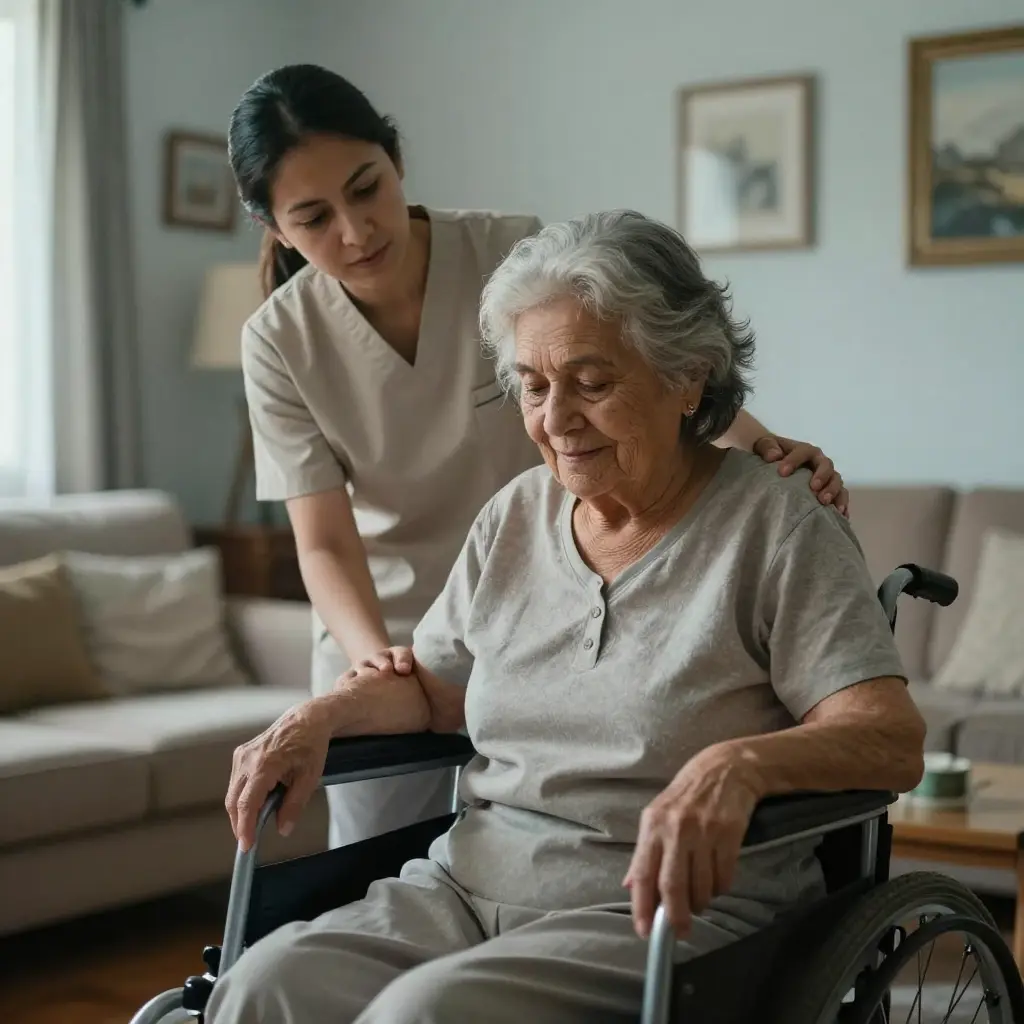
Restoring autonomy, without leaving home
At Galeneo, we see home rehabilitation as a key tool for giving patients back their mobility and independence. A model that combines clinical rigor, professional monitoring, and adaptation to the real environment, facilitating a more comfortable, safe, and person-centered recovery.
Recovery is not just about improving a joint or a muscle, but about being able to manage daily life again. And that process often begins at home.
Do you want to know more about our services? Visit our services page or contact us directly.
Bibliography
- The Benefits Of In-Home Rehabilitation Services. https://pace-ri.org/the-benefits-of-in-home-rehabilitation-services/
- Wilson, E. (n.d.). What does rehabilitation care at home involve? Ashridge Home Care. https://www.ashridgehomecare.co.uk/what-does-rehabilitation-care-at-home-involve/