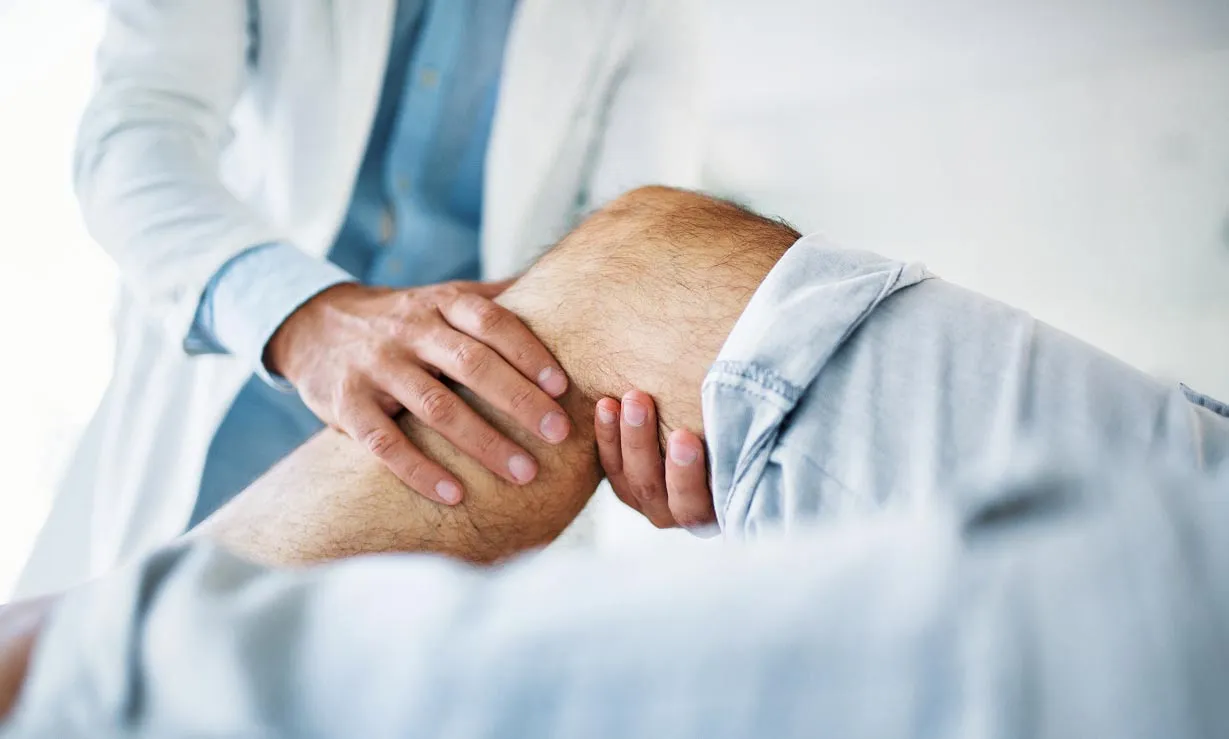
Benefits of Home Physiotherapy: Personalized Recovery in the Patient’s Own Environment
Home physiotherapy is a care model that allows rehabilitation treatment to be delivered in the patient’s own home, bringing clinical expertise and therapeutic techniques into the environment where the person carries out their daily life.
Beyond convenience, this model offers significant clinical, functional, and organizational advantages. Especially for patients with reduced mobility, post-surgical conditions, neurological diseases, or age-related frailty, home-based intervention can improve adherence, reduce risks, and support a more meaningful recovery.
Treatment Adapted to the Patient’s Real Environment
One of the main advantages of home physiotherapy is that treatment is designed based on the patient’s real environment. The professional can work directly on specific activities such as getting out of bed, walking through the hallway, climbing stairs, or safely using the bathroom.
This practical approach allows therapeutic progress to translate immediately into functional improvements. It is not just about gaining strength or mobility on a treatment table, but about regaining independence in everyday activities.
In addition, the physiotherapist can identify physical barriers in the home and suggest adaptations to reduce the risk of falls or injuries.
Greater Accessibility and Continuity of Care
Many patients interrupt or delay physiotherapy due to mobility difficulties, pain, fatigue, or reliance on others to attend a healthcare facility.
Home care removes these logistical barriers. This is especially relevant for:
- Older adults with limited mobility
- Patients recovering after surgery
- People with neurological conditions
- Situations involving acute or chronic pain
By facilitating access to therapy, continuity of care improves and premature treatment dropouts are reduced—both key factors in achieving sustained outcomes.
Safety and Prevention of Complications
Frequent travel to healthcare facilities can be a considerable burden for frail patients or those in early recovery stages. In some cases, it increases the risk of falls, excessive fatigue, or clinical deterioration.
Home physiotherapy allows for gradual and controlled mobilization, reducing unnecessary risks and supporting a safer recovery.
In the post-hospital setting, early home intervention can help prevent:
- Functional decline after prolonged hospitalization
- Loss of muscle mass
- Joint stiffness
- Readmissions associated with preventable complications
More Personalized and Patient-Centered Care
The home environment allows for a more comprehensive assessment of the patient’s situation. The professional can observe not only physical condition, but also factors such as family support, household dynamics, available space, and daily habits.
This enables more individualized treatment plans, adjusting intensity, frequency, and goals to the patient’s real context.
The therapeutic relationship also tends to strengthen in this setting, fostering trust and active engagement in the recovery process.
Involvement of Family and Caregivers
At home, family members and caregivers can actively participate in the recovery process under professional supervision. They learn safe mobility techniques, simple exercises, and practical recommendations for daily life.
This involvement improves adherence to treatment and helps maintain progress between sessions, especially in long-term processes such as recovery after a stroke or a hip fracture.
Physiotherapy Integrated into the Home Care Model
When part of a structured home care model, physiotherapy is integrated with medical and nursing follow-up. This allows the rehabilitation plan to be adjusted according to the patient’s overall clinical evolution.
Interdisciplinary coordination is particularly important in complex patients or those with multiple conditions, where functional recovery must align with overall medical status.
Regaining Mobility and Independence Without Leaving Home
Home physiotherapy represents a natural evolution of healthcare toward more accessible, personalized, and function-focused care.
Recovery is not only about improving a physical parameter, but about safely managing daily life again. When clinically appropriate, the home can become the best setting to achieve this.
At Galeneo, we understand home physiotherapy as an essential part of a comprehensive care model that combines clinical rigor, professional coordination, and adaptation to the patient’s real environment.
Would you like to learn more about our services? Visit our services page or contact us directly.
Bibliography
- Molloy, C. D., Long, L., Mordi, I. R., Bridges, C., Sagar, V. A., Davies, E. J., Coats, A. J. S., Dalal, H., Rees, K., Singh, S. J., & Taylor, R. S. (2023). Exercise-based cardiac rehabilitation for adults with heart failure - 2023 Cochrane systematic review and meta-analysis. European journal of heart failure, 25(12), 2263–2273. https://doi.org/10.1002/ejhf.3046
- *Mao, Y., Qiu, B., Wang, W., Zhou, P., & Ou, Z. (2024). Efficacy of home-based exercise in the treatment of pain and disability at the hip and knee in patients with osteoarthritis: a systematic review and meta-analysis. BMC musculoskeletal disorders, 25(1), 499. https://doi.org/10.1186/s12891-024-07585-w
- Yang, Y., Fu, X., Zhang, H., Ouyang, G., & Lin, S. C. (2023). The effect of home-based exercise on motor symptoms, quality of life and functional performance in Parkinson's disease: a systematic review and meta-analysis. BMC geriatrics, 23(1), 873. https://doi.org/10.1186/s12877-023-04595-6